
Behind Brand Entertainment is a series of interviews with producers, studios, distributors and brand leaders exploring how brands and the entertainment industry are collaborating to develop, fund and scale premium content.
————————————————————————————————————————————–
As AI-generated content floods the Internet and audiences spend more time than ever online, an unexpected trend is emerging: younger consumers are increasingly craving physical experiences, tangible products and real-world connection.
That shift is something travel and lifestyle publisher LOST iN has quietly been building its business around

for years. Founded by Jonathan Skogmo, the former founder of Jukin Media, LOST iN started as a premium travel guidebook brand. Today, it spans social video, creator collaborations, memberships, live events and branded partnerships with tourism boards and hospitality brands.
But unlike many digital-first media companies, LOST iN is deliberately investing deeper into the physical world. “We think our books are sacred,” says Skogmo. “We don’t publish the editorial from our books online.” That philosophy feels particularly relevant at a time when entertainment companies are searching for ways to build loyalty beyond algorithms and short-form attention.
From URL to IRL
At the centre of this strategy is a clear audience definition. LOST iN describes its community as “Premium Economy” travellers – younger Millennials and Gen Z consumers who prioritise curation, culture and experiences over traditional luxury.
While the company reaches millions through social media, Skogmo believes digital scale alone no longer creates meaningful connection. “You can get scale digitally,” he says. “But to really gain loyalty and following, I think you need to be in person and be with your fans.” That thinking has led LOST iN further into IRL experiences, from supper clubs to cultural activations and community-led events.
One recent example involved a live tuna-cutting ceremony featuring authentic Japanese drummers and a 150-pound tuna prepared in front of guests. Tickets sold out within 48 hours. For Skogmo, the goal of these events goes beyond entertainment. He wants guests to leave feeling like they experienced something they had never seen before – while also forming genuine connections with other people in the room.
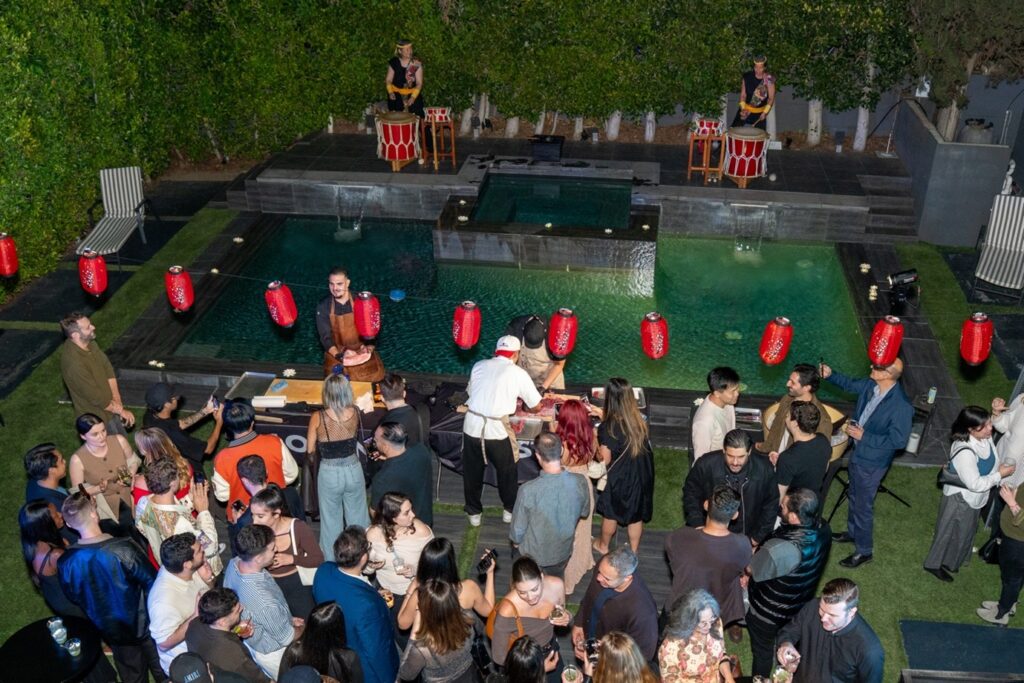
The event itself is telling. In an era where media companies are optimising for clicks and feeds, audiences increasingly seem willing to pay for experiences that feel immersive, memorable and impossible to replicate online.
Physical Media as Identity
Perhaps the most surprising part of LOST iN’s strategy is its continued investment in physical products. At a time when most media businesses are moving toward fully digital ecosystems, LOST iN’s printed guidebooks remain central to the brand.
The company now distributes them through nearly 400 bookstores worldwide. Unlike traditional travel guides aimed at older audiences, LOST iN’s books are intentionally young, culturally plugged-in and slightly edgy – focused less on tourist checklists and more on the local creatives, venues, brands and subcultures shaping a city.
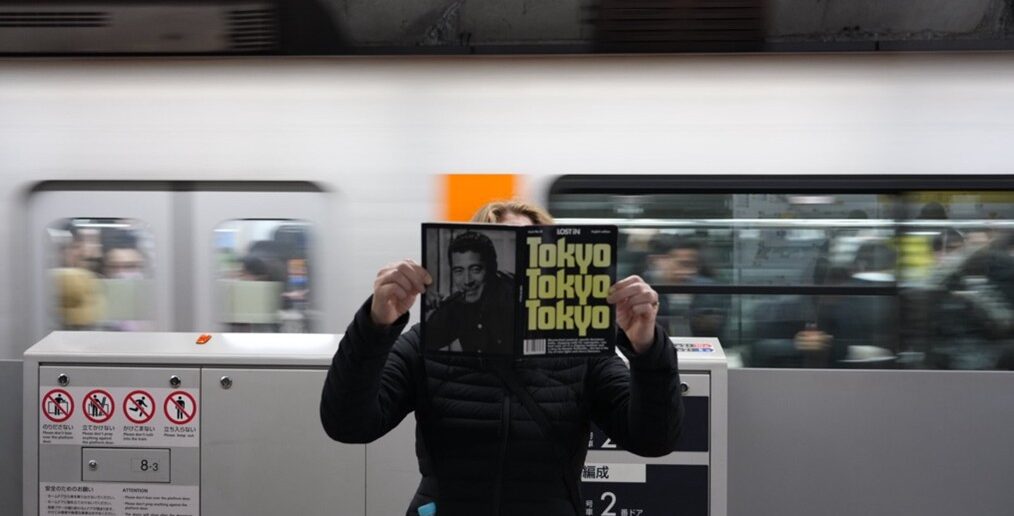
For Skogmo, the resurgence of physical media reflects a broader cultural reaction against digital overload. “I think Gen Z is rebelling against how they grew up,” he explains, referring to a generation raised almost entirely on screens. He points to the return of vinyl records, Polaroid cameras and bookstores as signs of a generation searching for more intentional, tactile experiences.
In a digital landscape increasingly shaped by AI-generated content and algorithmic feeds, physical objects and real-world experiences also create something increasingly valuable: trust and identity. “The only way to really believe something is real is almost going to be holding it physically,” says Skogmo.
Beyond Advertising
For TV producers, another interesting aspect of LOST iN is its monetisation structure. Rather than relying on a single revenue stream, the business combines media partnerships, branded content, memberships, events and direct-to-consumer products. Skogmo describes it as an interconnected ecosystem where each part strengthens the others – a flywheel.
He adds that this loop is not just theoretical: 77% of guidebook readers reportedly visit the physical location first, then attend an event, and ultimately sign up for a membership, showing how effectively the ecosystem converts audience engagement across touchpoints.
This kind of multi-layered journey is also reflected in its commercial partnerships. A branded tourism partnership, for example, might include social content, creator collaborations, live experiences and physical guidebooks distributed both through retail and directly via the partner itself.
Importantly, some parts of the business are designed less for immediate profit and more for long-term audience loyalty and community-building. That ecosystem approach increasingly mirrors where many entertainment brands are heading as traditional advertising models become less reliable.
Why Music Matters
Looking ahead, the next step for LOST iN is particularly telling. Skogmo revealed that the company is now expanding further into music and artist-led storytelling – an evolution that feels highly aligned with broader entertainment trends around fandom, culture and experiential IP. “Music has always been a big pillar of cities,” he says.
The idea makes sense. Artists touring globally already create cultural narratives around places, communities and identity. Increasingly, those worlds extend far beyond the music itself – into travel, fashion, food, experiences and lifestyle.
For entertainment companies, that may be the bigger lesson. The future of Branded Entertainment may not belong to companies that simply create content for audiences to watch. It may belong to the ones that create worlds audiences want to physically step inside.