
Behind Brand Entertainment is a series of interviews with producers, studios, distributors and brand leaders exploring how brands and the entertainment industry are collaborating to develop, fund and scale premium content.
————————————————————————————————————————————–
What happens when Branded Entertainment stops feeling like Marketing?
That question sits at the centre of BRABUS: One Second Wow, the reality-doc hybrid available on Prime Video, developed and produced by LEONINE Studios together with luxury automotive brand BRABUS – and it reflects how quickly the relationship between entertainment and brand strategy are moving closer together.
For Christian Meinberger, Chief Digital Officer at LEONINE & MD i&u Studios, this moment feels fundamentally different from earlier waves of brand-funded content. Having worked in Branded Entertainment since 2012, he argues the term itself no longer fully captures what projects like this are becoming.
In earlier phases, Branded Entertainment was often an extension of Marketing – tied to campaigns, product placement or short-term KPIs. Entertainment came second to commercial objectives.
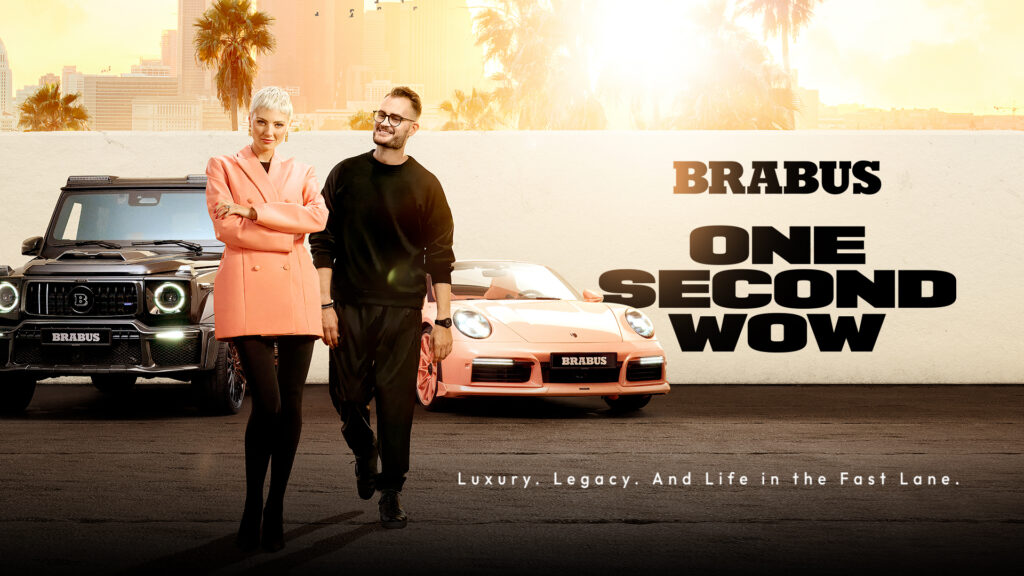
Today, however, some brands are beginning to operate more like content players themselves, building audiences, ecosystems, and platform-native storytelling approaches. That shift is part of what made BRABUS an interesting creative partner in the first place.
BRABUS: ONE SECOND NOW |Offizieller Trailer | Prime Video
A Project Built Around Story, Not Sales
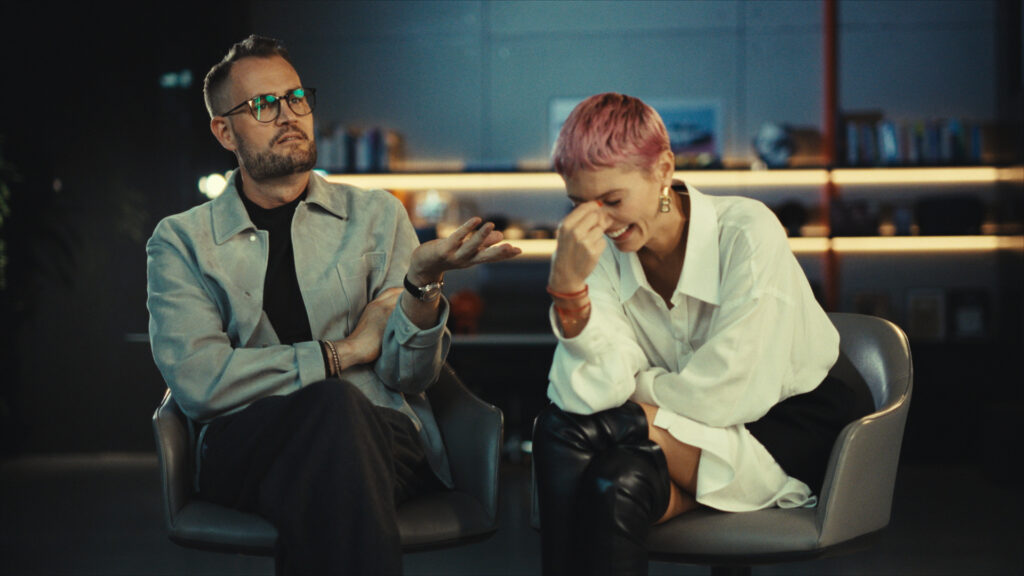
Interestingly, the series did not originate with BRABUS approaching LEONINE. Meinberger himself became fascinated by the company’s story – particularly the generational shift following the death of founder Bodo Buschmann and the rise of his son Constantin Buschmann as a young CEO transforming BRABUS into a more content-driven lifestyle brand.
After meeting during an industry event in Munich, conversations quickly evolved from a documentary concept into something much larger: an international premium reality-doc hybrid designed specifically for streaming audiences. “The most important thing,” Meinberger explains, “was that it had to be good content people genuinely want to watch – not a 90-minute commercial.”
That audience-first philosophy shaped the entire production. Unlike traditional branded campaigns, the project was not driven by short-term performance KPIs or conversion targets. According to Meinberger, the focus was always on building a series with genuine entertainment value, trusting that audience engagement and long-term brand relevance would follow naturally.
Why Authenticity Became the Real Strategy
One of the biggest creative challenges was balancing brand interests with authentic storytelling. According to Meinberger, BRABUS initially approached the production with a more traditional brand mindset, wanting to present the company in a polished and controlled way. But Meinberger actively pushed for openness, arguing that audiences connect far more deeply with imperfections, tensions and emotionally honest moments. “The interesting moments are the imperfect ones,” Meinberger says. “That’s what audiences connect with.”
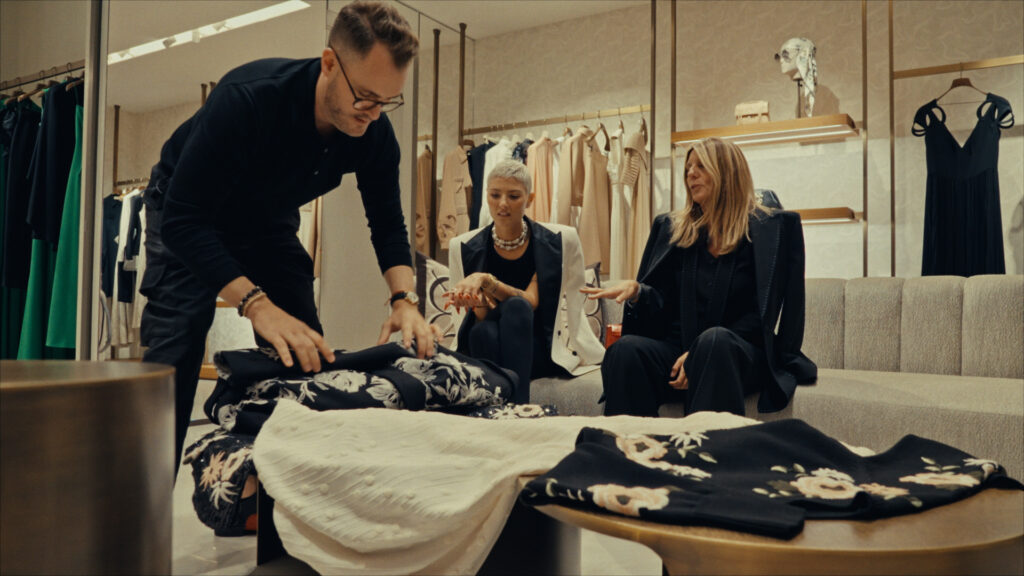
Over time, that trust developed and became one of the project’s defining strengths. The series ultimately followed not only the luxury lifestyle associated with BRABUS, but also internal pressures, relationship dynamics and moments of failure that most brands would typically avoid showing publicly.
During filming in Dubai, one moment perfectly captured that philosophy. One of BRABUS’ luxury off-road vehicles became stuck in deep desert sand due to user error. Instead of cutting the scene, the team kept it in the series. For Meinberger, moments like that were essential because audiences no longer respond to overly controlled brand messaging disguised as entertainment.
The Audience Stayed For the People
The series ultimately reached Amazon’s Top 10 and climbed to number one in the documentary category. But perhaps the most revealing insight came from audience reactions. According to Meinberger, viewers became far more invested in the personalities, tensions and relationships behind the company than in the cars themselves. “The brand became the entry point,” he explains, “but the human stories became the reason people kept watching.”
That insight may also explain why producers are increasingly paying attention to Branded Entertainment again.
Why the Industry is Watching Closely
As traditional commissioning slows and financing models become more difficult across the television industry, producers are increasingly exploring alternative partnerships and development structures.
For Meinberger, projects like BRABUS: One Second Wow demonstrate how brands can evolve beyond sponsors and become genuine long-term partners in financing, development and audience building – provided the storytelling itself remains strong enough to stand independently as entertainment.
For producers, this creates entirely new creative and commercial possibilities. But he also warns that success in this space requires a very different mindset from traditional advertising-led content. “Good content will always work,” Meinberger says. “But producers need to rethink everything around it.” They need to think beyond campaign logic and start considering platform strategy, audience behaviour, long-term brand value and entertainment quality simultaneously.
For the television industry, BRABUS: One Second Wow is less a branded series success story than a sign of where things are heading: brands, platforms and premium entertainment increasingly converging.