
Hello new creative era! – by Jo Redfern
15 year old YouTuber Kane Parsons (aka Kane Pixels) helped create the lore of Backrooms after learning Blender during COVID and posting to his channel. Now aged 20, the movie he directed has opened with a $118M worldwide box office.
Iron Lung, made by Markiplier, a YouTube gaming cr eator whose fan community followed every step from financing to shooting, even saw his fans phoning their local cinemas to request bookings. Both films were built on years of direct relationship between creator and fan, neither relied on traditional marketing but each mobilised young people back into cinemas in their droves, at a time when studios were struggling to do just that.
What this highlights is a new kind of creative era. One where internet lore, creators and crowdsourced characters can become actual movies, games and TV shows. That is not to say Hollywood, nor traditional producers will go extinct, but they are no longer the only ones that decide what gets made and what works. Fans do too.
Similar has happened in kids media, Danny Go! for example built an avid, active fanbase on YouTube and IN countless classrooms before Netflix wanted a piece of the fan-action, and Italian Brainrot – the most outlandish example of kids on the internet taking a cast of characters and running wild with them – has spawned hundreds of games on Roblox, Fortnite, animation on TikTok and is being turned into a movie. All because of the strength of their fandom.
What links them is not budget, genre, or platform. At its simplest, it’s TRUST. The kind earned by showing up consistently, whether they are going from 1 follower to 10, or from 100 to 1,000. They built trust by replying to comments. By being vulnerable. By letting their audience see successes and failures. And in building trust, it becomes fuel for fandom.
The other great thing about fandoms? They’re much easier to mobilise than an ‘audience’. Audience is measured by their presence only, rather than their willingness to buy a ticket, to invest in merch, or to wait by a stage door for a selfie.
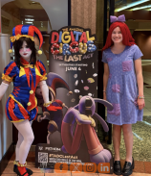
When the fan community feel like participants in the IP, like Danny Go!, like Savannah Bananas, like Brainrot characters, like Backrooms, The Amazing Digital Circus and more, the fanbase becomes not just an engine of creativity but also an engine of monetisation.
So, here’s a suggested change in kids and teen media vernacular that I’m proposing, starting at MIPJUNIOR 2026: let’s stop talking about our consumers as ‘audience’ and let’s start serving them as fans – by financing, creating and distributing in a way that encourages active engagement and willingness to mobilise. And by mobilise, that could be to get up and dance, go to show, buy the dress up outfit or buy a cinema ticket.
The old assumption that influencers were only good for driving awareness for what movie theatres showed has been dispelled. Markiplier was not just ‘awareness’ for Iron Lung but rather proof of creator fandom functioning as demand. Markiplier’s community moved from YouTube to ticket purchasers because they trusted the creator first and the movie theatre second. They didn’t need to be ‘made aware’, they were already there, already invested, already mobilised.
Success isn’t a given however. Take MrBeast. 500 million subscribers should make him the ultimate test case for creator-to-Hollywood success but instead, Beast Games on Prime Video has become shorthand for ‘creators cannot do TV’. I think that’s creator-sceptic hyperbole but it does appear to be true that at MrBeast scale, the intimacy that helped build his channel is gone. The trust loop between creator and fan has diluted. The trick is to find the sweet spot where creators can still recognise their fans, learn from them, have fun with them, and convert the relationship into something when the time is right. Theatrical, TV, chocolate bars; anything. You need to be big enough to matter yet feel and act small enough to mean it.
MIPJUNIOR 2026 will put all these trends, questions and considerations front and centre.
Because if this piece proves anything, it’s that the next big kids franchise might not come from where we’re expecting. It could come from a creator, a game, a YouTube channel, a fan community or a piece of internet lore. As the lines between content, creators, gaming and platforms continue to blur, understanding fandom has become just as important as understanding distribution.
The conversation has broadened across the entire kids and family ecosystem, preschool through young adults, stories through franchises, broadcast to social video and gaming and more! The theme is that great IP can come from anywhere, that fans are what we need to make, and that a new era of creativity is flourishing.
If MIPCOM is where deals close, MIPJUNIOR is where they begin.
So, join us at The Palais des Festivals in Cannes on 10-11 October for conversation about what comes next, I will even be there moderating a panel on fandom. Come and find me!
Let’s make a promise not talk about audiences anymore. Instead let’s obsess about our young fans; how we make them, and how we mobilise them.
See you in Cannes.