
VICE’s Branded Entertainment Playbook: Creators, IP Frameworks and the New Content Model


Behind Brand Entertainment is a series of interviews with producers, studios, distributors and brand leaders exploring how brands and the entertainment industry are collaborating to develop, fund and scale premium content.
--------------------------------------------------------------------------------------------------------------------------------------
“Creators are the idea, the talent and the distribution.”

Brad Reilly

Gautham Narayanan
It’s a simple line - but it explains why so much Branded Entertainment still struggles to deliver real impact. In my conversation with Gautham Narayanan, Managing Director of VIRTUE Europe - VICE’s creative agency - and Brad Reilly, Chief Creative Officer, what stood out was how fundamentally different their approach is.
While much of the industry still thinks in campaigns or one-off formats, VICE is building systems - where brands, creators and platforms are designed to work together from the start. The result is entertainment that audiences actively choose to engage with, while carrying the brand within it.
From Content to Culture
For VICE, the shift starts with a new take on Branded Entertainment, rooted in a simple truth: entertainment is culture. “Music, podcasts, shows - that’s how people engage with culture today,” Reilly explained. “That’s the fabric of it.”
“It’s less about telling stories about a brand,” he continued, “and more about letting the brand be part of a story, part of a community.” That distinction matters. Instead of interrupting culture, brands are embedded within it - often through collaborations with artists and creators who already have credibility and reach.
F1 and the Rise of Entertainment Ecosystems
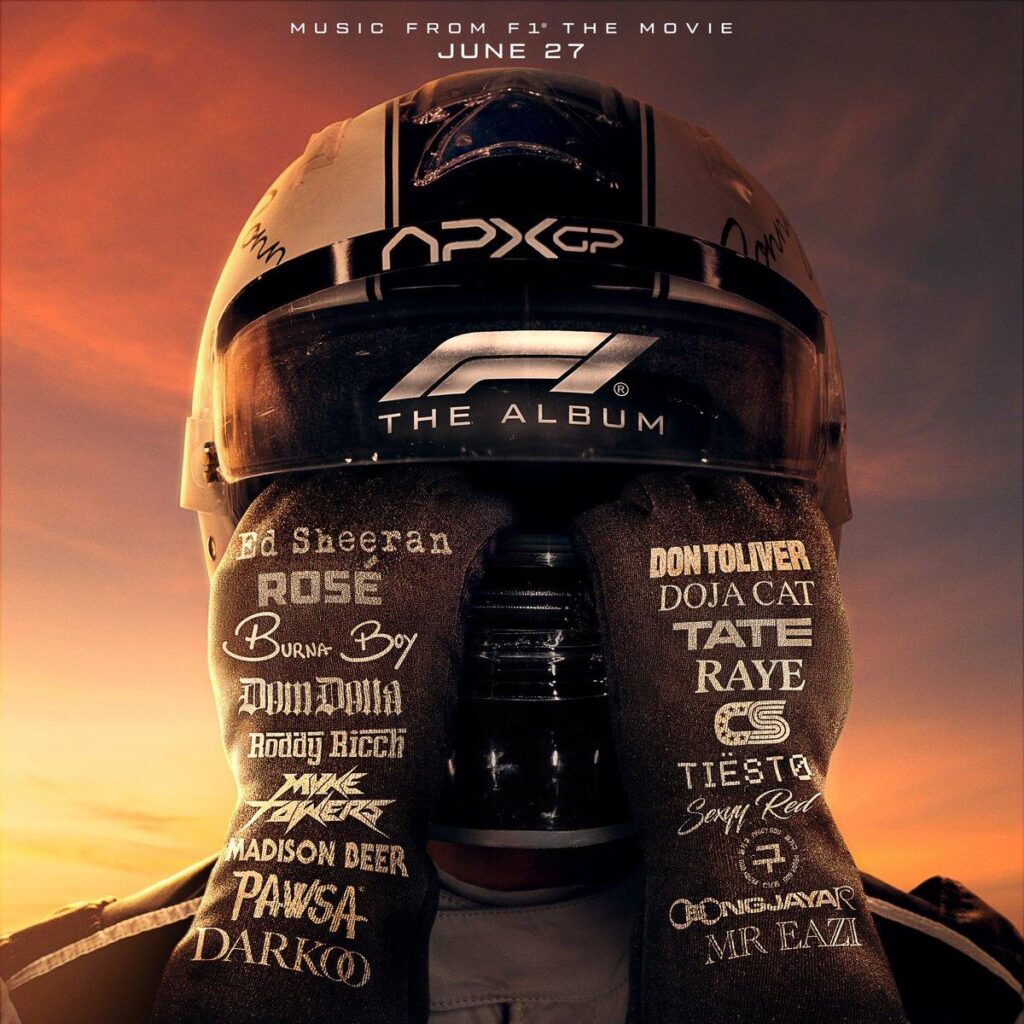
A strong example is Formula 1. No longer just a sport, it has evolved into a full-scale entertainment franchise - spanning film, music and live experiences. VICE tapped into that through music, collaborating with artists like Ed Sheeran, Burna Boy and Doja Cat to create content tied to Apple’s F1 film - extending the story beyond the screen.

But the real shift is how far that storytelling extends. “If you went to the Miami Grand Prix, you would see a fictitious team show up,” Reily explained - blurring the line between fiction and reality. Content becomes a world, not a deliverable.

For Narayanan, this “entertainment mindset” drives very tangible business outcomes. It starts by “broadening the church” - moving beyond a core fanbase to reach more casual audiences. From there, brands can cross-pollinate into new categories, attracting different types of sponsors and partners.
The impact goes further. As audiences expand, so does the value of distribution. “Your ability to charge for broadcast rights massively changes,” he noted.
The end goal is clear: build IP that generates value in its own right. “The ambition is to create something that becomes a revenue driver, not a cost centre.”
YouTube and the Creator Advantage
The same thinking applies on YouTube, where VICE is developing original formats built around creators rather than traditional talent.
In Shanked, a scripted comedy set in a golf club, creators didn’t just appear on screen - they helped shape the format and brought built-in distribution. “They came in with 60–70 million followers,” Reilly noted. Creators are no longer just talent; they are part of the development process and the distribution model from day one.
This is where many traditional players fall short. “They think about the content,” Narayanan said, “but not the ecosystem around it.”

The Framework, Not the Format
Rather than building ideas around a single piece of IP or a specific creator, VICE focuses on frameworks - flexible branded structures that can evolve over time.
“Create the frame, and let creators play within it,” Reilly said. This allows talent to bring their voice and audience, while the brand remains central and consistent.
The advantage is both creative and commercial: it reduces dependency on individual talent. “If your idea depends on one creator, it’s very risky,” Narayanan said. Instead, frameworks enable multiple collaborations over time, compounding brand equity rather than fragmenting it.A Different Way of Thinking About Value
Underpinning all of this is a mindset shift that feels almost blunt: “The consumer doesn’t care”, Narayanan said. Which means attention has to be earned - through entertainment that people would actively choose to watch. “If people wouldn’t pay to engage with it,” Reilly continues, “it’s not entertainment.”
And the commercial upside is significant. By thinking like entertainment companies, brands can expand beyond core audiences, attract new partners, and unlock additional revenue streams. For Narayanan, the formula is simple: reach drives fame, and fame drives sales. But before that, every idea must pass three tests: Is the brand essential to the story? Would people choose to watch - or even pay for it? And will it deliver reach at scale? Only then does Branded Entertainment start to work.

Which brings it back to the shift VICE is building around: creators are no longer just talent. They are part of a system where story, talent and distribution are designed together from the start.