

Behind Brand Entertainment is a series of interviews with producers, studios, distributors and brand leaders exploring how brands and the entertainment industry are collaborating to develop, fund and scale premium content.
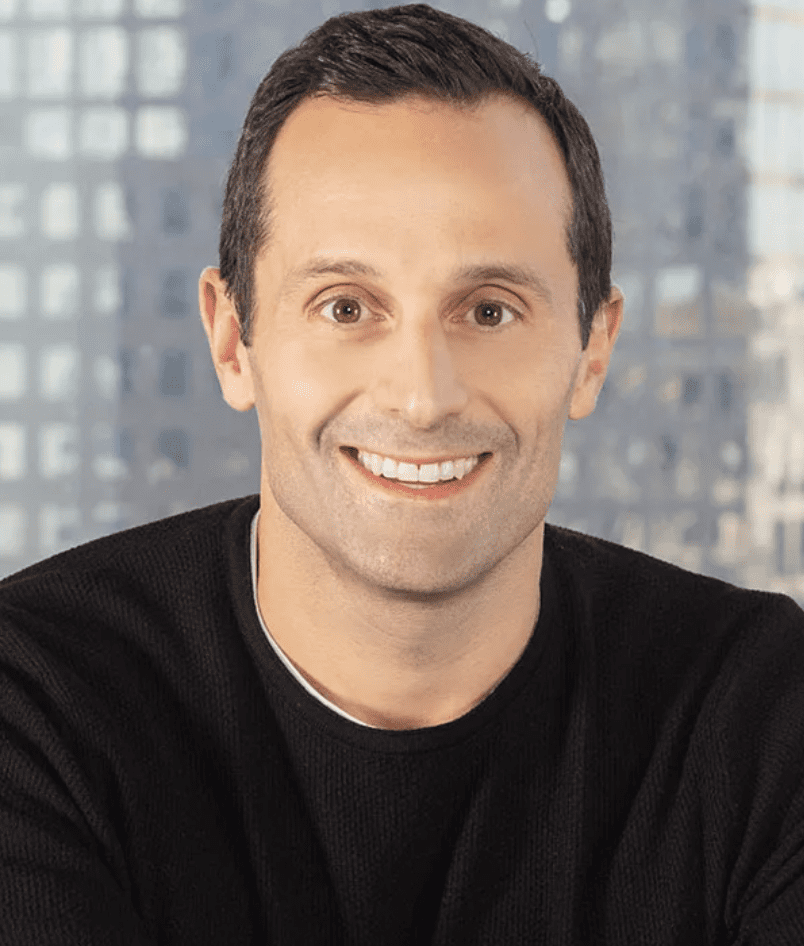
This week, we feature Adam Puchalsky, President of the Brand Studio at Blink49 Studios.
“Entertainment can solve business challenges in ways traditional advertising often can’t.”
For Adam Puchalsky, President of the Brand Studio at Blink49 Studios, that’s where much of the industry still gets Branded Entertainment wrong.
As producers, broadcasters and streamers increasingly turn to brands as potential funding partners, the conversation often centres on integration – where a product fits within a show, or how visible a brand can be on screen. But according to Puchalsky, that approach misses the point.
“What I’ve often seen is that brand integrations increase awareness but don’t necessarily address the brand’s underlying business challenge,” he says. “People think about adjacency rather than asking what message needs to be communicated and what outcome they are trying to achieve.”
From Visibility to Value
While Branded Entertainment is often framed as a new opportunity, Puchalsky argues it is better understood as an evolution.
“Brands have been funding entertainment since the beginning of entertainment itself,” he says. “The difference today is that brands are looking for ways to communicate in a fragmented media landscape where audiences have more choice than ever.”
In that environment, visibility alone is no longer enough. Instead, brands are looking for content that can shift perception, change behaviour or address a specific communication challenge.
For producers, that requires a fundamental shift in thinking – from pitching formats to solving problems.
The Difference a Strategy Makes
Puchalsky points to a project developed during his agency years to illustrate the gap between traditional campaigns and strategic storytelling.
At the height of the pandemic, research suggested a significant rise in mental health issues. The challenge was not simply to raise awareness, but to encourage people to talk more openly.
“The communication problem was that people understand how long it takes to heal a physical injury,” he explains. “But when it comes to your brain, people don’t know how long recovery might take, so they often stay silent.”
Instead of launching a conventional campaign, the team created a comedy documentary called Group Therapy featuring comedians sharing their experiences in a group therapy setting.
https://www.youtube.com/watch?v=hBerCAf751o
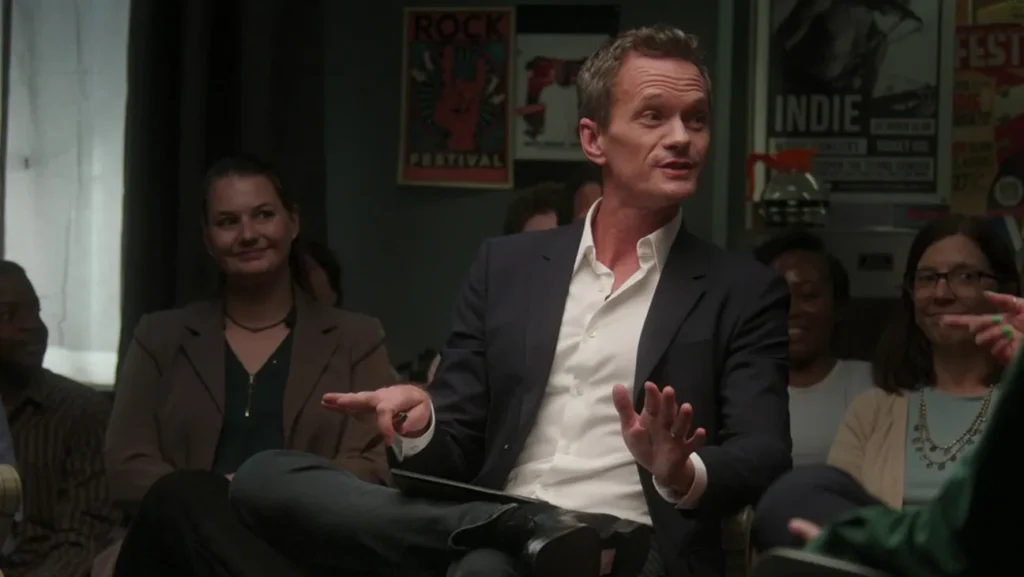
The result was both critically and commercially successful, winning two Gold Lions and a Silver Lion at the Cannes Lions International Festival of Creativity.
“The film moved the conversation forward,” Puchalsky says. “And because it was real entertainment, it could also live across marketing and social channels.”
A Gap between Producers and Brands
Despite the growing interest in brand-funded content, Puchalsky believes there is still a disconnect between how producers approach projects and how brands think.
“Producers often call brands, but they don’t necessarily understand how those organisations operate,” he says. “You need people who understand both the language of marketing and the language of entertainment.”
That gap can lead to missed opportunities – particularly in a market where traditional commissioning is under pressure and alternative funding models are becoming more important.
For producers, the implication is clear: Success in Branded Entertainment depends less on the format itself and more on understanding the strategic objectives behind it.
Rethinking the Role of Brands
At Blink49 Studios, this thinking shapes how projects are developed. Some originate from the studio’s slate, while others begin with a brand challenge – but in both cases, the goal is the same.
“We start by creating entertainment that audiences want to seek out,” Puchalsky says. “If a brand’s objective fits naturally within that, then we explore how it can add value.”
As the role of brands in the industry continues to evolve, Puchalsky believes the ambition should go far beyond funding.
“I want the work we do to win the biggest awards in entertainment,” he says. “Oscars, Emmys, Grammys, Tonys – and for the brand involved to be proud to stand behind them.”